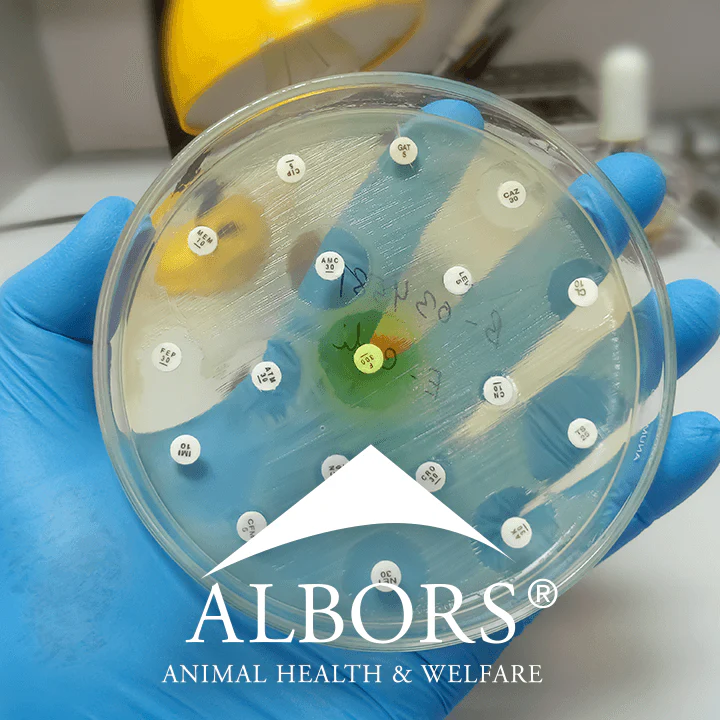
Antimicrobial resistance (AMR) has become one of the greatest challenges facing both animal agriculture and global public health. The Food and Agriculture Organization of the United Nations (FAO) continues to stress the need for immediate, coordinated action to preserve the effectiveness of antimicrobials while ensuring sustainable livestock production.
As bacteria become increasingly resistant to antibiotics, producers, veterinarians and policymakers must adopt responsible management practices that reduce antimicrobial use without compromising animal health, food safety or farm productivity.
Why Antimicrobial Resistance Matters
Antimicrobial resistance (AMR) occurs when bacteria, viruses, fungi and parasites evolve and become resistant to medicines that were previously effective.
In livestock production, this means that bacterial infections become more difficult to treat, increasing the risk of:
- Reduced animal health and welfare
- Higher mortality rates
- Lower production performance
- Increased treatment costs
- Greater economic losses for producers
- Potential transmission of resistant bacteria through the food chain and the environment
According to international health organisations, AMR is one of the most significant threats to global health, food security and sustainable agriculture.
The FAO’s Call for Immediate Action
The FAO encourages governments, veterinary professionals and livestock producers to work together under the One Health approach, recognising that human health, animal health and environmental health are closely interconnected.
Key priorities include:
- Promoting the responsible use of antimicrobials
- Strengthening disease prevention programmes
- Improving farm biosecurity
- Investing in surveillance and monitoring systems
- Supporting farmer education and technical training
- Encouraging sustainable livestock management practices
Preventing disease is widely recognised as the most effective way to reduce the need for antibiotic treatments.
Prevention Is Better Than Treatment
Modern livestock production increasingly focuses on preventing disease rather than relying on therapeutic interventions.
Effective prevention strategies include:
Strong Biosecurity Measures
Maintaining strict hygiene protocols helps minimise the introduction and spread of infectious diseases within livestock farms.
This includes:
- Cleaning and disinfection programmes
- Controlled farm access
- Equipment sanitation
- Proper waste management
- Pest and vector control
Optimised Nutrition
Proper animal nutrition plays a fundamental role in supporting the immune system.
Balanced diets, high-quality feed ingredients and targeted nutritional supplementation help animals better resist infectious challenges while improving productivity and overall health.
Drinking Water Quality
Clean drinking water is an essential but often underestimated component of disease prevention.
Water hygiene programmes and the use of appropriate organic acid solutions can help reduce microbial pressure, improve digestive health and support overall flock or herd performance.
Animal Welfare
Reducing stress through proper housing, ventilation, stocking density and management practices strengthens natural immunity and decreases susceptibility to disease.
Healthier animals require fewer medical interventions throughout the production cycle.
Sustainable Livestock Production and AMR
Reducing antimicrobial use is not simply a regulatory objective—it is an essential component of sustainable livestock farming.
By integrating nutrition, biosecurity and preventive health management, producers can:
- Improve animal welfare.
- Reduce disease incidence.
- Lower dependency on antibiotics.
- Enhance production efficiency.
- Increase consumer confidence.
- Support responsible food production.
These practices also contribute to international sustainability initiatives and the growing demand for more responsible agricultural systems.
Innovation Supports Responsible Antibiotic Use
The livestock industry continues to develop innovative solutions that help producers maintain animal health while reducing reliance on antimicrobials.
Advances in:
- Feed additives
- Organic acids
- Gut health management
- Biosecurity programmes
- Water hygiene solutions
- Precision nutrition
are providing effective tools that support disease prevention naturally and sustainably.
Rather than replacing antibiotics entirely, these technologies help minimise their necessity by improving the overall resilience of livestock populations.
Looking Ahead
Addressing antimicrobial resistance requires collaboration across the entire livestock sector.
Farmers, veterinarians, nutritionists, feed manufacturers and policymakers all have a role in implementing preventive strategies that protect both animal and human health.
By combining science-based nutrition, effective biosecurity, responsible antimicrobial stewardship and continuous innovation, the livestock industry can respond to the FAO’s call for urgent action while ensuring productive, sustainable and resilient farming systems for future generations.